



PBL Lami Tubes
PBL Lami Tubes and Sustainability: Recyclability, Material Choices and EPR for Brand Owners
Published by Antilla Propack on 20 November 2026
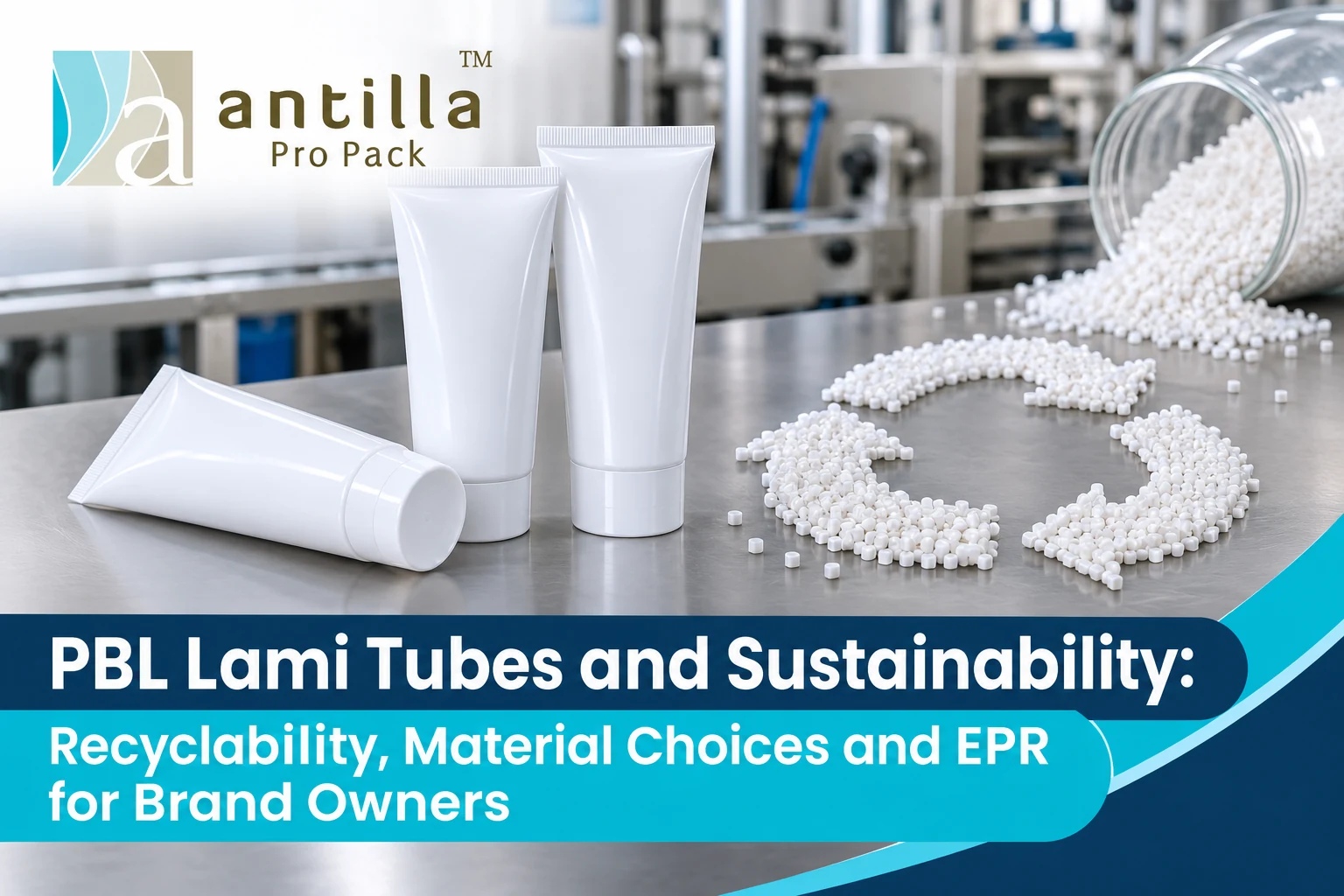
Customers, retailers and regulators increasingly ask brands what happens to packaging after use. Tubes are a challenge because they combine layers of different materials. PBL lami tubes are generally considered easier to recycle than aluminium-barrier tubes, because their structure is mostly plastic, but the details matter. This guide explains what brand owners should know before making sustainability claims.
For PBL basics, see our plastic barrier lami tube page and how PBL lami tubes are manufactured.
Why Material Structure Matters
| Tube type | Typical structure | Recycling consideration |
|---|---|---|
| ABL (aluminium barrier) | Plastic layers with an aluminium foil barrier | Mixed plastic and metal is harder to separate and recycle |
| PBL (plastic barrier) | Polyethylene layers with a thin plastic barrier such as EVOH | Mostly polyethylene, more compatible with plastic recycling streams |
| Mono-material designs | Body, shoulder and cap designed around one polymer family | Designed with recycling in mind, subject to local facilities |
Whether any tube is actually recycled depends on local collection and recycling infrastructure, not only on its design.
Practical Ways to Reduce Impact
- Choose PBL over ABL where the product's barrier needs allow it.
- Downgauge: use the thinnest laminate that still protects the product and performs on the filling line.
- Right-size the tube: avoid oversized tubes with excess headspace. See our sizes and capacity guide.
- Match the cap material: caps in a compatible polymer support recyclability.
- Simplify decoration: heavy metallic effects can complicate recycling.
- Ask about recycled content: availability and suitability depend on product contact requirements.
Balancing Protection and Sustainability
Packaging that fails to protect the product creates more waste than it saves. Products sensitive to oxygen or light, such as some hair colour or pharmaceutical formulas, may still need stronger barriers. Test filled samples before switching structures, as covered in choosing tubes by cosmetic product.
EPR Obligations in India
Under India's Plastic Waste Management Rules, producers, importers and brand owners have extended producer responsibility (EPR) obligations for plastic packaging they place on the market, including registration and meeting collection and recycling targets. Packaging category and structure affect how obligations apply. Check current rules and guidance from the Central Pollution Control Board, or consult an EPR adviser.
Making Honest Claims
- Avoid saying "100% recyclable" unless the whole pack, including cap, is designed for recycling and facilities exist where it is sold.
- Prefer specific, verifiable claims, such as "plastic barrier tube without aluminium".
- Keep documentation from your packaging supplier to support claims.
Talking to Your Tube Supplier
- What is the exact layer structure of the tube?
- Which cap materials are compatible?
- Can the laminate thickness be reduced safely?
- Is recycled content available for my product type?
Antilla Propack manufactures PBL and ABL tubes in Rajkot and can help compare structures for your product. Speak to our R&D team.
Key Takeaways
- PBL tubes are mostly plastic and generally easier to recycle than ABL.
- Downgauging, right-sizing and compatible caps reduce impact.
- Make specific, honest claims and check EPR obligations.
Example: Switching From ABL to PBL
A herbal face wash brand used ABL tubes out of habit. Its formula was not highly oxygen-sensitive, so it tested PBL tubes over several months. With no change in colour, fragrance or texture, it moved to PBL, removed aluminium from its packaging and was able to describe the tube accurately as a plastic barrier tube without aluminium foil.
Common Mistakes
- Making broad recyclability claims without evidence
- Switching structures without stability testing
- Forgetting the cap when assessing recyclability
The Bottom Line
Sustainable packaging starts with the right structure for your product and honest communication about it.
Related Reading
- PBL lami tubes: structure, benefits and uses
- How PBL lami tubes are manufactured
- Cosmetic lami tubes: compatibility and stability testing
Frequently Asked Questions
Are PBL lami tubes recyclable?
PBL tubes are mostly polyethylene with a thin plastic barrier, which makes them more compatible with plastic recycling than aluminium-barrier tubes, but actual recycling depends on local collection and facilities.
Is PBL more sustainable than ABL?
Often, because it avoids aluminium foil and is easier to recycle, but products needing very high barriers may still require ABL to avoid product waste.
How can brands reduce the impact of lami tubes?
Choose PBL where suitable, downgauge laminate, right-size tubes, use compatible cap materials, simplify decoration and ask about recycled content.
Do brand owners in India have EPR obligations for tubes?
Yes. Under India's Plastic Waste Management Rules, producers, importers and brand owners have extended producer responsibility for plastic packaging. Check current CPCB guidance.
Can I label my tube 100% recyclable?
Only if the whole pack is designed for recycling and suitable facilities exist where it is sold. Specific, verifiable claims are safer.
Discuss Sustainable Tube Options
Contact Antilla Propack or call +91 951-081-2341 with your product, fill volume, artwork and quantity.